A 15-year-old wanted to build a habit tracking app. She had no coding experience - hadn't taken a CS class, didn't know Python or JavaScript, couldn't tell you what an API was. Three days later, she had a working app on her phone that sent daily reminders and tracked her streaks.
She didn't learn to code. She learned to vibe code.
So What Is It?
Vibe coding is building apps by describing what you want in plain English, while AI writes the actual code. Instead of memorizing programming syntax or spending years learning computer science, you communicate your vision to AI tools and guide them to build it.
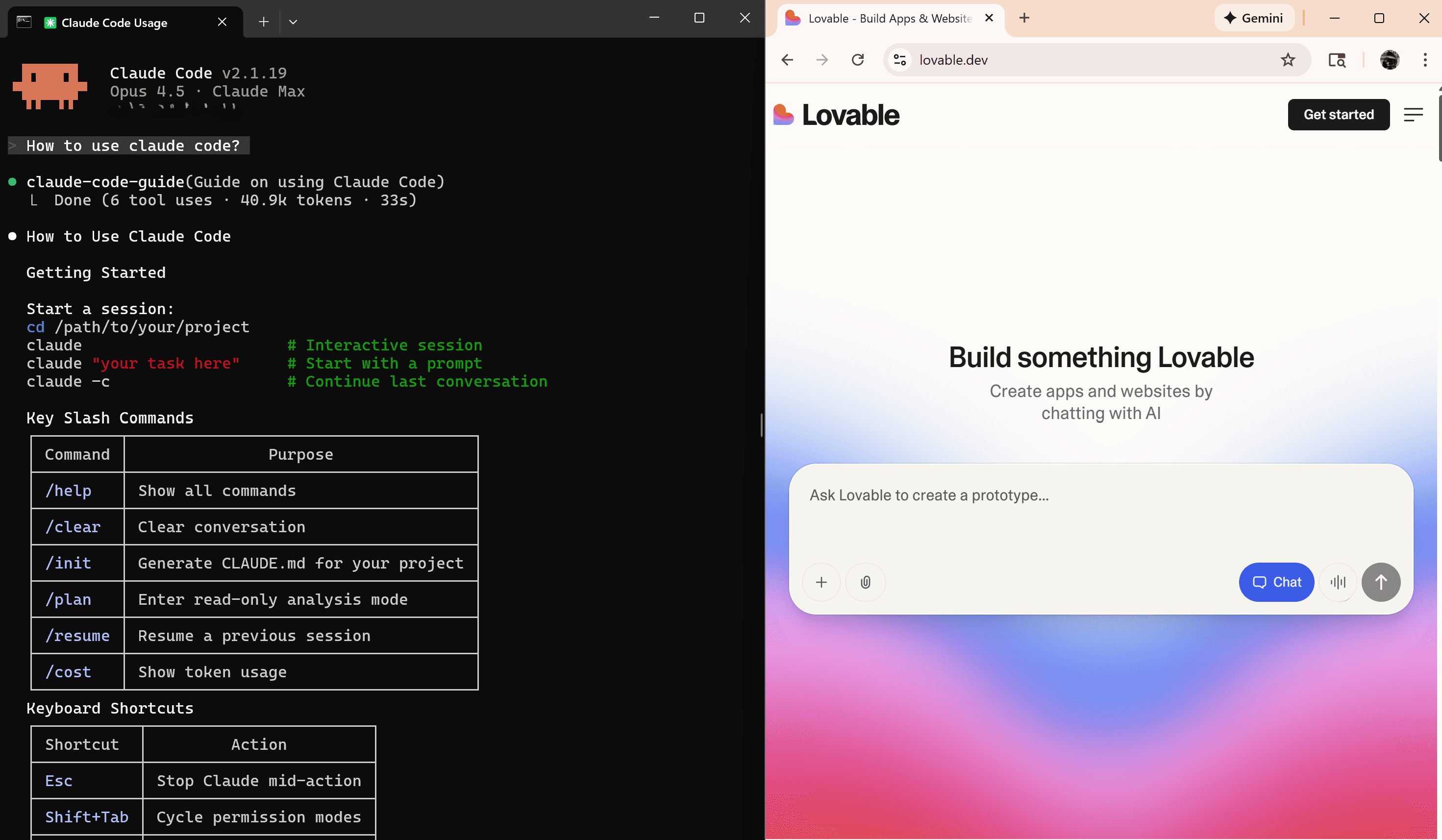
You work with tools like Claude Code or Lovable and describe what you want:
"Build me a study planner app where users can add classes, set assignment due dates, and get reminders the day before something is due."
The AI generates the code. You test it, then refine:
"Make the reminders show up as push notifications. And add a dark mode option."
The AI updates everything. You're directing the project like a creative director - focused on what the app should do and how it should feel, not the technical details underneath.
But here's the thing: vibe coding isn't just "telling a computer what to do." You need clear thinking and precise communication. Vague instructions = vague results. The skill shifts from writing code to articulating vision.
What Teens Have Actually Built
This isn't theoretical. Teens with zero coding background have built:
A study group matching app - Two juniors built this for their school. User profiles, subject filtering, chat feature. Their classmates actually use it.
An AI poetry generator - A 17-year-old made a tool that creates verses in different poets' styles. You can adjust tone, theme, length.
An invoice generator - One teen built this for his mom's catering business. Saves her hours every month. She actually uses it for real clients.
A countdown app for college decisions - Simple, but functional. Tracks multiple schools, shows days remaining, sends alerts.
These aren't mockups. They're real apps that run on phones and browsers.
Vibe Coding vs. Traditional Coding
Neither is "better" - they're different tools. Traditional coding gives deep control. Vibe coding lets you move fast and build working products without that foundation.
Plenty of professional developers now use both: vibe coding to prototype quickly, traditional coding for complex systems.
Here is a quick comparison:
| Aspect | Traditional Coding | Vibe Coding |
|---|---|---|
| Learning curve | Months to years | Days to weeks |
| Primary skill | Writing syntax | Clear communication |
| Error handling | Debug line by line | Describe the problem to AI |
| Speed to prototype | Weeks | Hours to days |
| Ceiling | Unlimited (with expertise) | Depends on AI capabilities |
What You Actually Learn
Vibe coding isn't a shortcut that skips learning. You develop different skills - ones that matter in a world where AI handles more technical execution.
Product thinking - What should this app do? Who's it for? Why does it matter? These are the questions startup founders and product managers ask daily.
Clear communication - AI only builds what you describe. You learn to be specific and structured - skills that transfer to writing, presentations, interviews, everything.
Iteration - Build, test, refine, repeat. You get comfortable with imperfection and learn to improve through cycles.
Technical literacy - You start understanding how apps work - databases, APIs, authentication - without getting stuck in syntax. You learn the concepts by using them.
"But Is It Real Coding?"
This is the question everyone asks. Here's the honest answer:
If "coding" means writing syntax by hand, then no. But if "coding" means creating software that works, then yes.
Here are a few other things people get wrong:
Misconception: "You won't learn anything"
Usually the opposite. Most teens who start vibe coding get curious about what's happening under the hood. They learn databases and APIs naturally because they're using them.
Misconception: "AI does all the work"
AI writes code. It doesn't have ideas. It doesn't know what problems are worth solving or how an app should feel. You provide vision and judgment. AI provides execution.
Misconception: "It's just a trend"
Software development has always moved toward higher abstraction: machine code to assembly to high-level languages to frameworks. Vibe coding is the next step, not a fad.
How to Start
1. Pick something small and personal
A to-do list. A countdown timer. Flashcards for a test. Your first project should take hours, not weeks.
2. Choose a tool
- Lovable (lovable.dev) - Built specifically for creating apps through conversation
- Claude Code (claude.ai/code) - A more advanced tool for building powerful applications.
3. Write down your vision first
Before you start prompting:
- What does this app do?
- Who is it for?
- What are the 3-5 core features?
Clarity before you start = better results.
4. Build one feature at a time
Don't describe everything at once. Get one thing working, then add the next.
5. Show it to someone
Seriously. Watch a friend use your app. Ask what's confusing. That feedback is worth more than any feature you could add.
So What Are You Going to Build?
A tool that solves an actual problem at your school. An app for a family member's small business. A side project that becomes a portfolio piece. Something that makes you think "wait, I made this?"
The barrier that used to exist - years of learning before you could build anything real - is gone.
The only question left is what you'll make.
Want to learn vibe coding with guidance? Explore Nova School's Entrepreneurship Program